11 October 2026
Where to Find Quality Live Resin for Sale: A Buyer's Guide
Presented by @theliveresinsalepoint
Why Live Resin Stands Out Among Cannabis Concentrates
After a decade of testing cannabis concentrates - from the sticky bricks of hash I bought at punk shows to the glassy shatter that dominated dispensary shelves for years - I can say without hesitation that live resin occupies a special place in the rotation. It captures the plant in a way that older extraction methods simply cannot match. When you see "live resin for sale" on a menu or a product page, it signals something specific: a concentrate made from plant material that was frozen while still alive, never dried, never cured, never given the chance to degrade.
That might sound like a small distinction, but it changes everything about the experience. Traditional cannabis concentrates start with dried and cured plant material. By that point, a significant portion of the volatile terpenes - the compounds responsible for aroma and flavor - have already oxidized or evaporated. Flash freezing skips that entire process. The trichomes remain intact, and the resulting extract tastes closer to the living plant than anything else I have tried.
This is not just marketing hype. I have sat through extraction sessions where the difference between live resin and cured resin was obvious from the first whiff. The live stuff smelled like a freshly snapped stem, bright and green and full of nuance. The cured stuff smelled good, sure, but it had lost that high-end complexity. For anyone who cares about the full terpene profile of their cannabis, live resin is the way to go.
What Sets Live Resin Apart from Hash, Shatter, and Budder
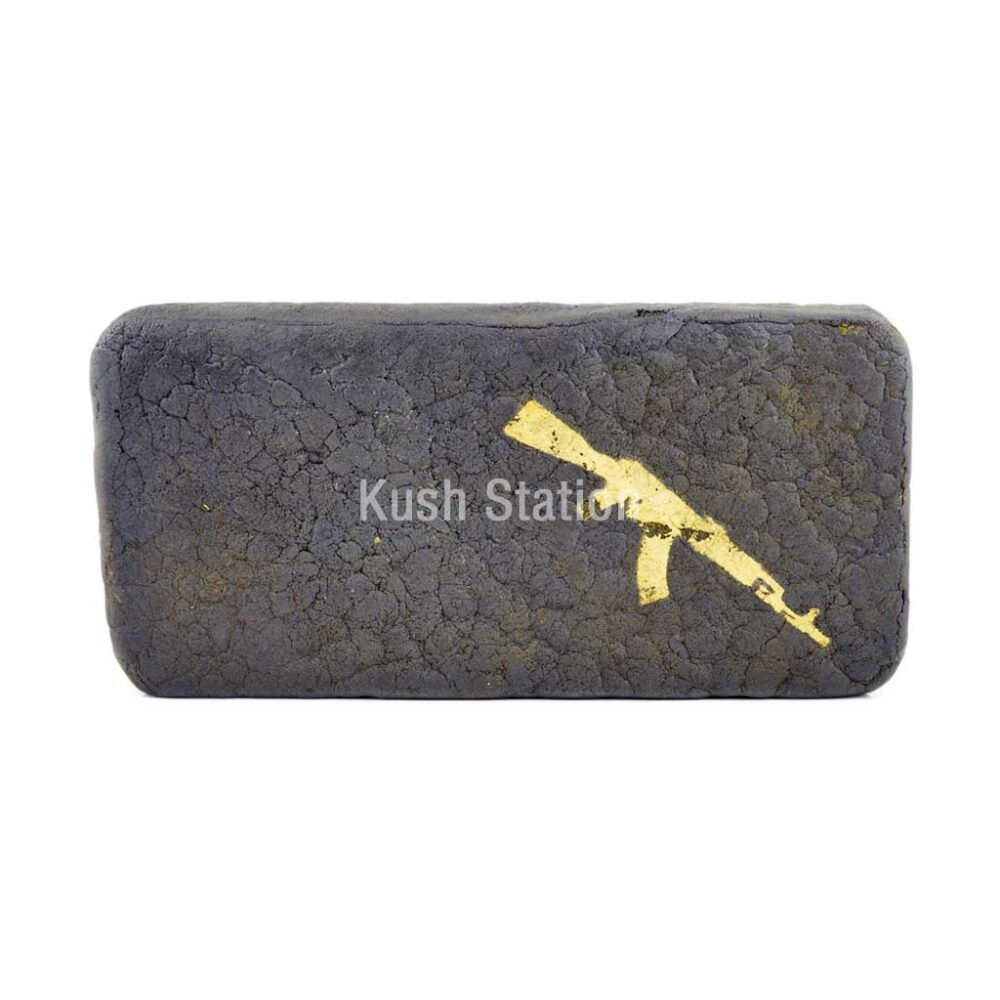
To understand where live resin fits, it helps to see the whole landscape of cannabis concentrates. Hash is the old standard - pressed trichome heads, often with some plant matter mixed in. It is earthy, reliable, and has been around for centuries. Shatter came along with butane hash oil extraction and gave us a glass-like concentrate that snaps when you break it. Budder is a whipped, creamy form of concentrate that tends to be easier to work with on a dab rig.
Live resin occupies a different category entirely. It is not about the final texture or the method of whipping; it is about the starting material. Solventless extraction methods, combined with cold curing, allow the final product to retain more of the original cannabinoids and terpenes. The result is a concentrate that can look like a soft, waxy gold or a translucent amber, depending on the strain and how it was processed. I have seen live resin that looked almost like honey, with a consistency that made it easy to load into an e-nail without making a mess.
The trade-off is that live resin tends to be more expensive than other concentrates because it requires more careful handling from the moment the plant is cut. Freezer trucks, rapid transport, and meticulous storage all add cost. But for many enthusiasts, the difference in flavor and effect justifies the premium. If you see "live resin for sale" from a reputable source, it is worth paying attention to the details: the strain, the date of harvest, and whether the product has been lab-tested concentrates.
How to Judge Quality When Shopping for Live Resin
Not all live resin is created equal. I have bought jars that looked gorgeous under the display case lights but turned out to be harsh and flavorless once I got them home. Here are a few things I look for before I buy:
- Lab testing: A reputable seller should have certificates of analysis showing THC potency and terpene content. This is non-negotiable if you care about what you are putting into your body.
- Aroma: Good live resin should smell like the plant, not like butane or solvent. If it smells chemical, something went wrong during extraction.
- Consistency: Live resin can range from a sticky paste to a semi-solid. It should be uniform, not separated or crystallized in patches.
- Transparency: The seller should be able to tell you the strain, the harvest date, and whether it is Indica, Sativa, or hybrid live resin. Vague answers usually mean the product is old or poorly made.
One thing I have learned the hard way: do not judge live resin solely by its color. I have seen pale, almost white live resin that tasted amazing, and dark amber batches that were harsh and lifeless. Color can indicate oxidation, but it can also be a natural result of the specific terpene profile. Trust your nose and the lab results more than your eyes.
The Best Ways to Consume Live Resin
Live resin works beautifully in a dab rig with a quartz banger or a ceramic nail. I prefer using an e-nail because it gives me precise temperature control - usually between 480 and 530 degrees Fahrenheit, depending on the batch. At lower temperatures, the terpenes survive the hit and you get the full flavor. At higher temperatures, you get a bigger cloud but lose nuance. Live resin is especially rewarding at low temps because it has so many volatile compounds to begin with.
You can also use live resin in a vaporizer designed for concentrates, or even mix a small amount into a bowl of flower if you are careful. But the best experience, in my opinion, is on a clean dab rig with a carb cap to control airflow. The first hit should taste like the plant smells, and the second hit should still carry some of that character. If it tastes like nothing after the first pull, you either heated it too much or the resin was not very good to start with.
Live Resin Brands and What to Look For
Over the past few years, several live resin brands have built strong reputations by focusing on solventless extraction and cold curing. I have tried products from small-batch craft producers who grow their own flower and freeze it within hours of harvest. Those batches tend to be the most expressive, with terpene profiles that shift from citrus to pine to diesel as you hold the hit. Larger operations can also produce consistent, high-quality live resin, but they often sacrifice some of the nuance for scale.
KushStation, for example, offers a selection of cannabis concentrates that includes live resin from multiple producers. Their inventory is sorted by type, potency, and price, which makes it easier to compare options side by side. When I look at their menu, I pay attention to the THC potency numbers and the strain lineage. A high-potency Indica live resin might be what I want for evening use, while a Sativa live resin with lower THC and more limonene terpenes works better for daytime focus.
Hybrid live resin can be a good middle ground, but I find it depends heavily on the specific genetics. Some hybrids lean so far one way that they might as well be a pure Indica or Sativa. The best way to know is to read the product descriptions and check the lab results.
Storing Live Resin to Preserve Quality
Live resin is more fragile than other concentrates because it has not gone through the same drying and curing processes. I keep mine in a refrigerator - not the freezer, which can make it too brittle - inside an airtight glass jar. Exposure to air and light degrades the terpenes quickly. I have ruined a perfectly good batch by leaving it on a warm counter for a week. It turned dark, lost its aroma, and became harsh. That was a lesson I only needed to learn once.
If you buy a larger quantity, consider portioning it out into smaller containers so you are not opening the main jar every time you want a dab. This slows down oxidation and keeps the product fresh for weeks or even months. The difference between fresh live resin and live resin that has been sitting around for a month is night and day. Fresh stuff tastes like the plant. Old stuff tastes like regret.
Is Live Resin Right for You?
If you are someone who values flavor and aroma above raw potency, live resin is probably your ideal concentrate. The THC potency is often comparable to other high-end extracts, but the experience is richer and more complex. If you are primarily looking for the cheapest way to get medicated, hash or shatter might serve you better. Live resin is a premium product, and it commands a premium price.
That said, I have introduced friends who were skeptical about the price to a good batch of live resin, and most of them ended up switching. Once you taste what a fresh, properly made live resin can do, it is hard to go back to something that tastes like burned grass or butane. The difference is not subtle. It is the difference between a photograph of a flower and the flower itself.
When you see "live resin for sale" from a trusted vendor, take the time to look at the details. Check the terpene profile. Look for lab-tested concentrates. Consider whether you want Indica, Sativa, or hybrid live resin based on how you plan to use it. And if you have the chance to try a small batch from a producer who flash freezes their plants and uses solventless extraction, do not pass it up. That is where the craft really shines.